

5x lighted makeup mirror
The Significance of Glass Reflective Coating Enhancing Aesthetics and Functionality In recent years, the architecture and design industry has witnessed a significant shift toward modern aesthetics and sustainable practices. One of the key innovations in this realm is the application of glass reflective coating. This specialized treatment not only enhances the visual appeal of glass surfaces but also contributes to energy efficiency and occupant comfort. Understanding Glass Reflective Coating Glass reflective coating is a thin layer of material applied to glass surfaces, which serves to reflect a portion of solar radiation while allowing natural light to penetrate into buildings. These coatings can be manufactured using various materials, including metallic oxides, and can be applied through different methods, such as sputtering or vacuum deposition. The result is a surface that offers a mirror-like finish from the outside while maintaining clear visibility from the inside. Aesthetic Appeal One of the primary advantages of glass reflective coatings is their ability to enhance the aesthetic quality of buildings. Reflective glass creates a sleek, modern look, allowing structures to blend harmoniously with their surroundings. The mirrored effect can minimize the visual impact of a building's structure, creating a seamless transition between natural and built environments. This quality is particularly valuable in urban areas where space and light are at a premium. Additionally, reflective glass can help reduce glare within adjacent buildings, thus improving the overall visual comfort of the area. For architects and designers, this solution opens up a realm of possibilities, allowing for innovative designs that prioritize both form and function. Energy Efficiency The energy-saving benefits of glass reflective coatings cannot be overstated. By reflecting a significant portion of solar radiation, these coatings help in reducing cooling loads in buildings, especially in hot climates . This can lead to lower energy consumption and reduced reliance on air conditioning systems, which is not only economical but also environmentally friendly. glass reflective coating In commercial settings, where large expanses of glass are common, the impact of these coatings becomes even more pronounced. Businesses can expect to see a reduction in energy costs over time, leading to a quicker return on investment. Moreover, the use of reflective coatings aligns with global sustainability initiatives aimed at minimizing the carbon footprint of buildings and improving indoor spaces' energy performance. Comfort and Privacy In addition to their aesthetic and energy-saving benefits, glass reflective coatings also contribute to occupant comfort. The inherent reflective properties of the coating help regulate temperature by minimizing heat gain during hot months, creating a more stable indoor climate. This comfort extends to the acoustic performance of buildings; reflective glass can assist in noise reduction, promoting a peaceful environment, particularly in busy urban settings. Privacy is another crucial factor where reflective coatings shine. During the day, these coatings create a one-way mirror effect, allowing those inside the building to see the outside while preventing outsiders from peering in. This quality enhances the privacy of residential and commercial spaces and makes reflective glass an excellent choice for high-rise buildings. Challenges and Considerations Despite the many advantages, there are also challenges to consider. Not all glass reflective coatings are created equal; the effectiveness can vary significantly based on the type of coating and the glass substrate used. Furthermore, in colder climates, excessive reflection may lead to increased heating demands during winter months. Therefore, careful calculations and considerations are essential in determining the most suitable reflective coating for a specific project. Conclusion Glass reflective coatings represent a significant advancement in the architecture and design industries, merging aesthetic appeal with functional benefits. By enhancing building visuals, improving energy efficiency, and offering comfort and privacy, these coatings contribute to creating modern and sustainable environments. As technology continues to evolve, the capabilities and applications of glass reflective coatings will likely expand, further solidifying their role as a vital component in contemporary architecture. Embracing such innovations heralds a new era of design where beauty meets practicality, paving the way for a more sustainable future.

Our application
-
 read more
 -
 read more
 -
 read more
 -
 read more
 -
 read more
 -
 read more
news and information
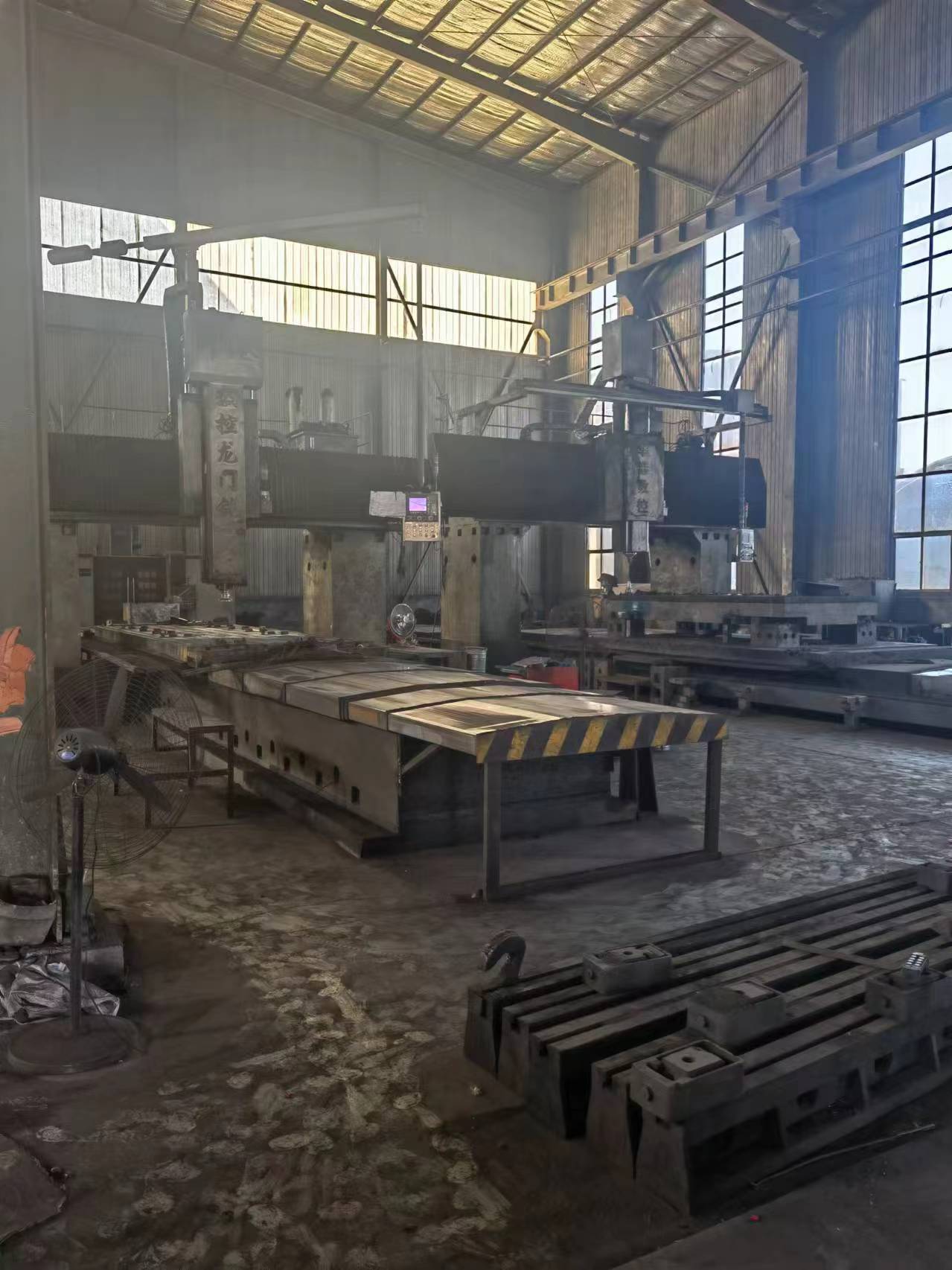
Versatile 4x6 Welding Table for Efficient Metal Fabrication and DIY Projects
Enhancing Your Workshop with a 4x6 Welding Table When it comes to welding, having the right workspac

Y Type Strainer Applications and Benefits for Efficient Fluid Management
The Importance of Y-Type Strainers in Industrial Applications Y-type strainers play a crucial role i

Water Valve Types And Their Delivery Times
Water valves play a crucial role in managing water flow within your home or industrial system. Wheth